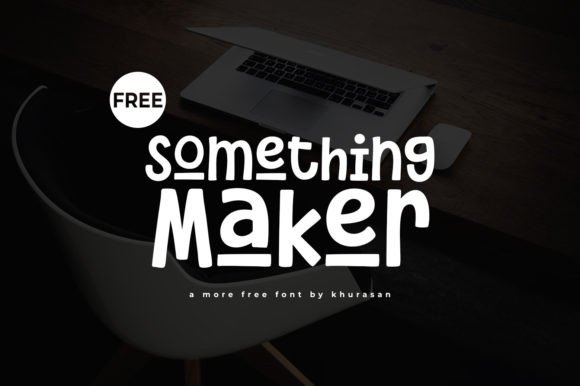
Something Maker: A Modern Cute Display Font for Small Business Branding
The morning I printed the first batch of new cake labels, I knew something had changed. My little bakery had been running for two years, and while the recipes were perfect, the packaging always felt… off. The labels were readable, sure, but they didn’t spark any emotion. Then I found Something Maker, a modern and cute display font that completely transformed how my brand looks. It’s one of those freebies you don’t expect to be this good, and it turned my ordinary boxes and tags into something people actually want to keep on their kitchen counters.
If you run a small shop, a handmade brand, or any creative business, you know how hard it is to make everything feel consistent without spending a fortune on design. Something Maker gave me that polished, cohesive look without any fancy software or a designer’s fee. And because it’s listed under free fonts, I could test it immediately on my product labels, social media posts, and even my store banner. Let me share how this tiny typography choice became a big part of my business identity.
Something Maker for Bakery Boxes and Product Labels
When I started using Something Maker, the first thing I updated was my cake box labels. The font’s playful curves and cheerful weight made the product names—like “Honey Lavender Cake” and “Chocolate Rose Tart”—pop against the kraft paper. Something Maker is a modern and cute display font perfect for posters, logos, magazines, book covers, banners, and many more, but it shines especially on small surfaces. The characters are bold enough to stay legible at a tiny size, yet they carry a handmade warmth that matched my bakery’s personality. Customers began commenting that the boxes felt “gift-worthy,” and some even reused them for jewelry storage. That’s the power of choosing the right fonts for your packaging.
For product labels, I paired the headline in Something Maker with a simple sans serif font for the ingredient lists. The contrast gave my jars a boutique look without being too fussy. If you sell anything in small containers—jams, candles, bath salts—Something Maker can become your brand’s signature touch. Just make sure to test the readability on your actual packaging material. The font’s cute style works best on short lines and key selling points, not on long paragraphs.
Using Something Maker in Logo Design and Brand Identity
Redesigning my logo had been on my to-do list for months, but nothing felt right until I tried Something Maker. Its modern, friendly vibe fit exactly the tone I wanted: approachable but professional. I used it for the main word of my bakery name, then added a subtle leaf icon. The result was a logo that looked custom-made, even though I only spent an hour arranging text in a simple design tool. Something Maker is a modern and cute display font perfect for posters, logos, magazines, book covers, banners, and many more, so it’s no surprise it handles logotype so well. The font’s ligatures and alternate characters gave my wordmark a unique flow—no two letters felt stiff or generic.
If you’re a boutique owner, a stationery maker, or a coach building your personal brand, consider using Something Maker as your primary display typeface. It works beautifully on thank-you cards, business cards, and even on your website header. Because it’s categorized under free fonts, you can download it risk-free. But before you commit, open the font file in a preview tool and see if the style matches your industry. For example, a law firm or a financial service probably shouldn’t use a cute display font, but for bakeries, florists, children’s brands, or handmade jewelry, it’s perfect.
Something Maker on Social Media Graphics and Website Banners
One area where Something Maker surprised me was social media. I used to spend hours fighting with Instagram template fonts, trying to make my posts look consistent. Once I standardised with Something Maker, every story highlight cover, sale announcement, and product teaser tied together visually. The font’s bold, rounded letters read well on mobile screens, even at thumbnail sizes. Something Maker is a modern and cute display font perfect for posters, logos, magazines, book covers, banners, and many more, and that includes digital banners for your online shop. I made a simple “New Flavour” banner for my website using the font, and the click-through rate on that banner increased noticeably. I can’t guarantee results for everyone, but the visual clarity definitely helped.
For magazines or lookbooks—if you create seasonal catalogs or recipe cards—Something Maker brings a cheerful editorial feel. It pairs naturally with clean layouts and plenty of white space. Just avoid using it for body text; its charm lies in headlines, subheadings, and decorative phrases. Think of it as your brand’s exclamation point, not its whole sentence.
Pairing Something Maker with a Clean Sans Serif Font
A single font rarely does everything, so I started experimenting with combinations. Something Maker’s cute personality begged for a neutral partner. I paired it with a clean sans serif font like Montserrat or Lato for ingredient lists, prices, and website copy. The result was balanced: the display font drew attention, while the sans serif kept information easy to digest. If you prefer a more elegant feel, try a light serif like EB Garamond beneath Something Maker’s headlines. The contrast between playful and classic creates a sophisticated brand identity without losing friendliness.
When using Something Maker for book covers or magazine titles, pair it with a handwritten font for a whimsical touch—or keep it simple with a modern sans serif for a minimal aesthetic. The key is to let Something Maker lead the hierarchy. It’s a display font, so it should appear in larger sizes and grab the eye first. Reserve the secondary font for supporting details. This technique works for banners, flyers, and even email newsletters.
Checking Commercial Font Licensing and File Formats
Before I started selling products with the new font, I made sure to check the license that came with Something Maker. Since it’s listed under free fonts, many assume they can use it anywhere without restrictions. But always read the fine print. Some free fonts allow only personal use; commercial use requires a purchased license. Something Maker’s page indicated it was safe for business use, including product packaging and merchandise. However, I still verify file formats—usually you get TTF, OTF, and maybe WOFF for web. If you plan to use it on your website or in digital ads, the WOFF format is essential. Also, check if the font includes multilingual support if your audience speaks multiple languages. Something Maker’s description didn’t mention extensive character sets, so I tested a few accented letters for my French-inspired product names.
If you create templates for clients or sell digital products, ensure your license covers redistribution. Most free fonts don’t, but you can embed the font in your design files as long as the client purchases their own copy. These steps sound dry, but they protect your business from legal headaches later.
Typography is one of the cheapest ways to upgrade your brand’s first impression. Something Maker gave my small bakery a cohesive, memorable look across labels, logos, and social media. And because it’s a free font, I could invest my budget into better ingredients instead of expensive design work. If you’re tired of your brand feeling a little messy, try a simple change: pick a consistent display font like Something Maker. Your boxes, banners, and brochures will suddenly feel part of the same family. That’s the kind of brand consistency that keeps customers coming back.